
Getting permanent makeup feels like such an exciting step toward effortless beauty; that is, until day two hits and you’re staring in the mirror, wondering if you’ve made a terrible mistake. Those gorgeous, natural-looking brows or perfectly tinted lips from yesterday now look like they belong to a Halloween costume.
Before you spiral into regret, take a deep breath. What you’re seeing is completely normal, and understanding these predictable healing phases will save your sanity (and your results).
Here’s Why Fresh Permanent Makeup in Stow, Ohio, Can Look So Intense
Walking out of your appointment, you probably felt amazing. Your artist showed you the mirror, you took a selfie, and everything looked perfect. Then you wake up the next morning and gasp. Your eyebrows look like they were drawn on with a Sharpie, or your lips appear to glow neon pink.
This isn’t a sign that something went wrong; it’s exactly what should happen.
Fresh permanent makeup appears 30-50% darker and more saturated than what your final results will be.
Why?
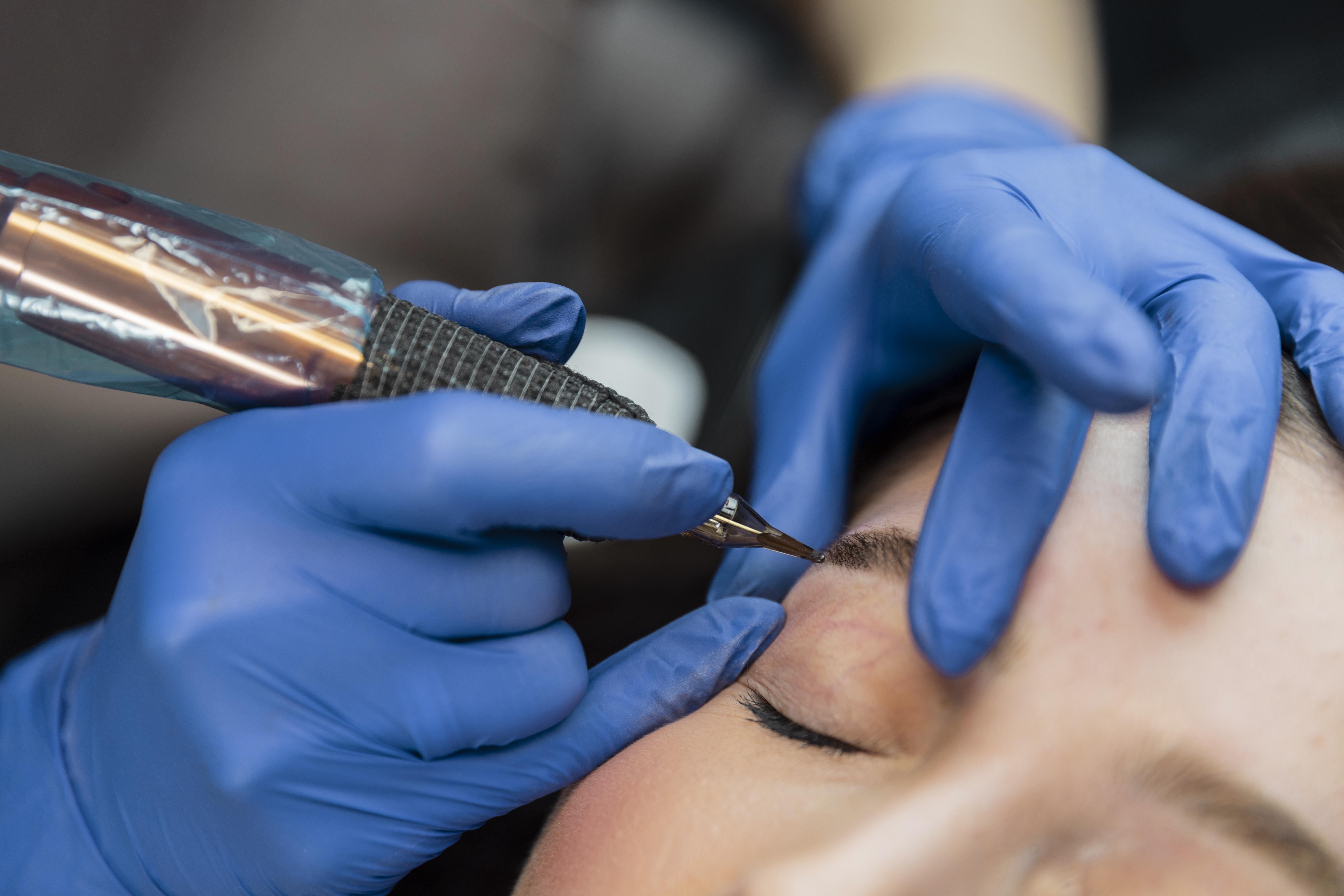
Because your skin is in full trauma-response mode: the needles created thousands of tiny wounds, and your body immediately gets to work protecting the area. Blood flow increases, bringing additional pigment to the surface, while your skin begins to form protective barriers over the fresh ink.
Your first instinct will be to judge your results right away, but resist this urge completely.
Day one (and honestly, days two through ten) tells you absolutely nothing about how your permanent makeup will actually look. Think of it like getting a tattoo: the immediate look never represents the healed result.
The Science Behind Initial Color Saturation
The dramatic color intensity you see initially comes from several factors working together:
- The pigment needs time to settle into your skin properly. Right after the procedure, it sits closer to the surface, making it appear much bolder.
- Your skin swells slightly from the treatment, which pushes the pigment upward and makes it more visible.
- Your body starts forming protective scabs over the treated area, which can make the colors look muddy or overly dark.
This protective scabbing is actually crucial for proper healing. These scabs lock in the pigment while your skin repairs itself underneath. Disturbing them by picking or scrubbing pulls out pigment and creates uneven results, so hands off, no matter how tempting it gets.
Week # 1 to 3: The Panic Phase Most Clients Experience
Here’s where things get really scary-looking, and where most people start questioning their life choices.
Between days 3 and 10, your permanent makeup will begin to flake and peel, like the world’s most alarming sunburn. The carefully placed pigment starts coming off in chunks, leaving you with patchy, uneven color that looks nothing like what you paid for. This phase hits everyone differently. Some people experience heavy flaking when, with the right sections seemingly disappearing at night. Others get lighter, more gradual peeling.
The key thing to remember is that this surface-level peeling is only removing excess pigment; the pigment that’s meant to stay is safely nestled deeper in your skin.
The absolute worst thing you do during this phase is try to “help” the process along. Picking at flakes, scrubbing in the shower, or applying products to speed up healing will only damage your results.
Your skin knows what it’s doing, even when it looks chaotic.
Week #2 Concerns For Microblading Clients in Stow, Ohio
Microbladed eyebrows go through a particularly dramatic transformation during week two. Those crisp, hair-like strokes that looked so perfect initially seem to vanish completely. Clients often call this the “ghosting” effect, and it’s probably the most panic-inducing part of the entire healing process.
What’s happening is that the fine strokes are healing at different rates. Some flake off while others remain, creating a patchy, incomplete look. You see only 20-30% of your original strokes, and they look fuzzy or blurred.
This is temporary; the pigment is still there, just hidden under healing skin.
What Lip Blush Healing Looks Like During This Phase
Lip blush healing brings its own unique challenges. Your lips feel tight and look unnaturally bright for the first week, then suddenly appear to lose all color during the flaking phase. The texture feels rough or bumpy, and the color looks uneven as different areas heal at different speeds.
Unlike eyebrow procedures, lip healing is more uncomfortable because you’re constantly moving and using your lips. Talking, eating, and drinking all affect the healing process. You notice that certain areas—like the center of your lips where they touch most often—seem to lose color faster than the edges.
The Ghosting Weeks When Your Investment Seems to Vanish
Weeks 3-6 are when most people think their permanent makeup has completely failed. This “ghosting” period is when the surface pigment has flaked away, but the deeper pigment hasn’t fully emerged yet. Your brows look barely enhanced, or your lip color seems to have disappeared entirely.
This phase is so predictable that experienced permanent makeup artists warn every client about it, but it still catches people off guard. You invested in this procedure for color and definition, and suddenly, you look like you have less than you started with.
But there’s good news! This disappearing act is temporary and actually signals that your skin is healing properly.
During these weeks, your skin regenerates new cells and pushes settled pigment closer to the surface. The process takes time—usually 4-6 weeks total—but it’s working even when you can’t see it.
Why Early Touch-Ups Backfire
The ghosting phase is exactly when many people start demanding early touch-ups, thinking something went wrong. But getting additional work done before your skin has fully healed ruins your results.
Your skin needs the complete healing cycle to stabilize, and adding more pigment to partially healed skin often leads to:
- Overworked, damaged skin that heals poorly
- Unpredictable color results
- Longer overall healing times
- Increased risk of scarring or pigment loss
Most reputable permanent makeup artists in Stow, Ohio, won’t perform touch-ups for at least 6-8 weeks for this exact reason. Trust their expertise; they’ve seen this cycle hundreds of times.
Week #6 to 8: When the Magic Finally Happens
Around week 6, something magical starts happening. The true color of your permanent makeup finally begins to emerge. The pigment that’s been hiding beneath healing skin starts to show through, and you begin to see what you actually paid for. Colors soften to their intended shade, and the overall appearance becomes more natural and polished.
This is when you take progress photos that actually represent your results. The harsh lines soften, the colors settle into a natural-looking tone, and any unevenness typically resolves itself. Your skin has completed most of its healing work, and the pigment has found its permanent home.
By week 8, you should see about 85-90% of your final results. This is also when you properly assess whether you need any adjustments during your follow-up appointment.
When Permanent Makeup Results Are Finally Ready
Only once you reach the 6-8 week mark do you truly judge your results. Before this point, any concerns you have are likely just part of the normal healing process.
At this stage, you evaluate things like:
- Overall color saturation
- Shape and symmetry
- Coverage evenness
- How the enhancement works with your natural features
The healing process for permanent makeup requires patience, but it’s so worth the wait. Following your aftercare instructions precisely and trusting the timeline will give you the best possible results. This means keeping the area clean and dry, avoiding picking or scrubbing, and staying out of direct sun and chlorinated water.
If you need a touch-up, this is the right time to discuss it. Your artist adds density where needed, adjusts the shape slightly, or enhances the color to match your preferences. But remember, most people need very few, if any, adjustments once their skin has fully healed.
Why Experienced Permanent Makeup Artists in Stow, Ohio Make All the Difference
Working with experienced permanent makeup artists makes all the difference in both your results and your peace of mind during the healing process. Skilled artists don’t just create beautiful initial work but also thoroughly educate you on what to expect, provide detailed aftercare instructions, and remain available for questions throughout your healing journey.
At The Golden Room, the focus goes beyond just the technical procedure. Our team understands that the weeks following your appointment feel overwhelming, especially if this is your first permanent makeup experience. Having artists who’ve guided hundreds of clients through this exact process means you’re never left wondering if what you’re experiencing is normal.
The combination of expert technique, high-quality pigments, and comprehensive client support creates the ideal environment for achieving permanent makeup results that exceed your expectations. When you choose experienced artists who prioritize both beautiful outcomes and client education, you relax and trust the healing process; even during those alarming middle weeks when everything looks wrong before it looks absolutely right.